
Traditional Chinese massage for children
Paediatric Massage
Gentle hands-on care, adapted to your child’s age and individual needs.
This traditional Chinese massage approach uses light pushing, kneading, pressing, rubbing and gentle pinching techniques.
Infants to children around 12 years old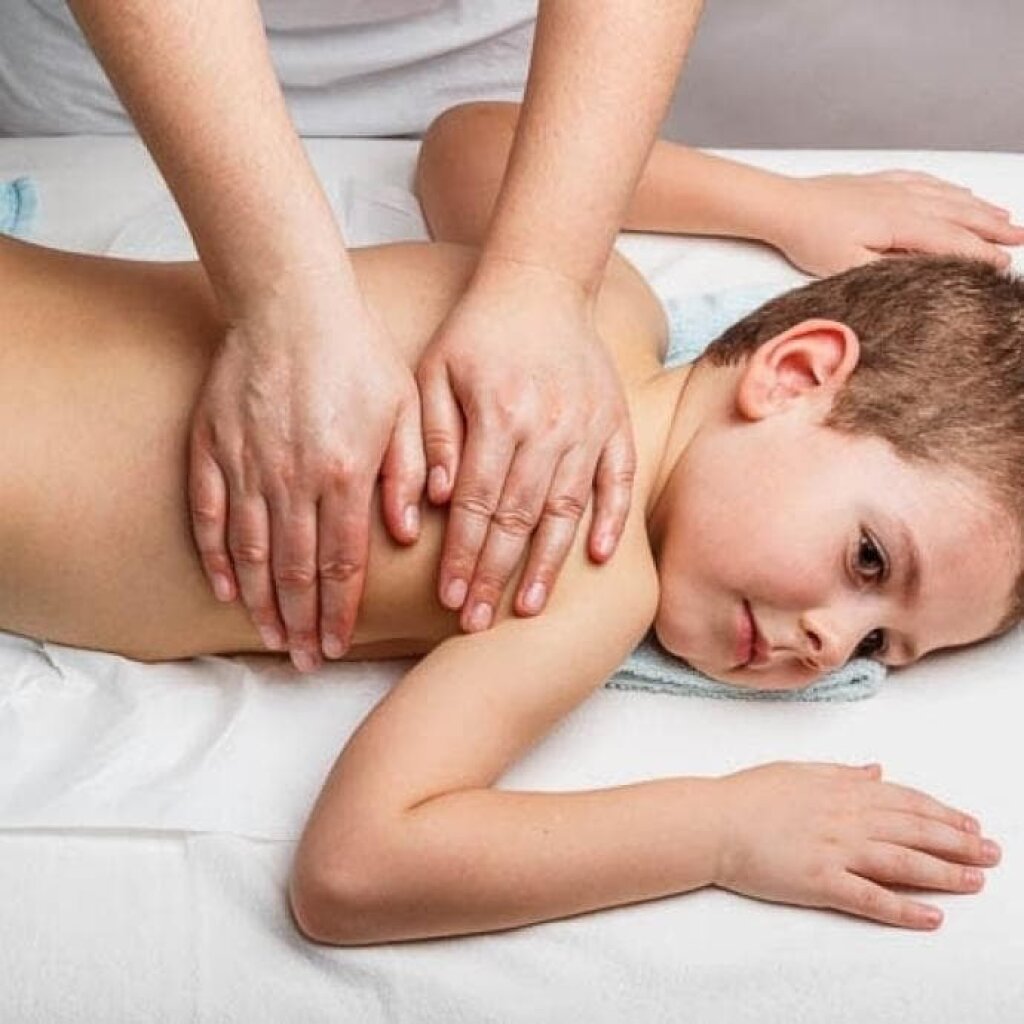
What is paediatric massage?
A gentler approach for growing children
Paediatric massage is based on traditional Chinese medicine (TCM) theory and an understanding of children’s physical development. Practitioners work on selected points and areas of the body, including pathways described in TCM as meridians.
Compared with adult massage, it generally uses lighter pressure, less stimulation and shorter sessions. The approach is adjusted to each child’s age and circumstances.
Support alongside medical care
Massage is a complementary approach. It does not replace medical assessment, prescribed treatment or care from your child’s usual healthcare provider.
Discuss your child’s symptoms and health history before deciding whether this approach is suitable.
Common reasons parents enquire
Understanding your child’s needs
In traditional practice, paediatric massage is used as supportive care in the areas below. These describe traditional uses, rather than guaranteed treatment outcomes.
Appetite and digestion
Poor appetite, digestive discomfort, bloating and constipation. TCM assessment traditionally considers digestive function, alongside bowel habits, diet and daily routines.
Coughs and nasal symptoms
Parents may enquire about support for coughs, a blocked nose or a runny nose. Any approach is adapted to the child’s symptoms and used alongside appropriate medical care.
Sleep and settling
Difficulty falling asleep, restless nights or frequent waking. The focus is on gentle care and relaxation, while considering routines, diet and other factors that may affect sleep.
Everyday wellbeing
For children without an acute illness, traditional assessment may guide an individual approach to general wellbeing and day-to-day care.
Research on complementary approaches in children is limited. Benefits and suitability should be discussed with a qualified healthcare professional. Read the NCCIH guidance.
A child-centred approach
Care adapted to age and comfort
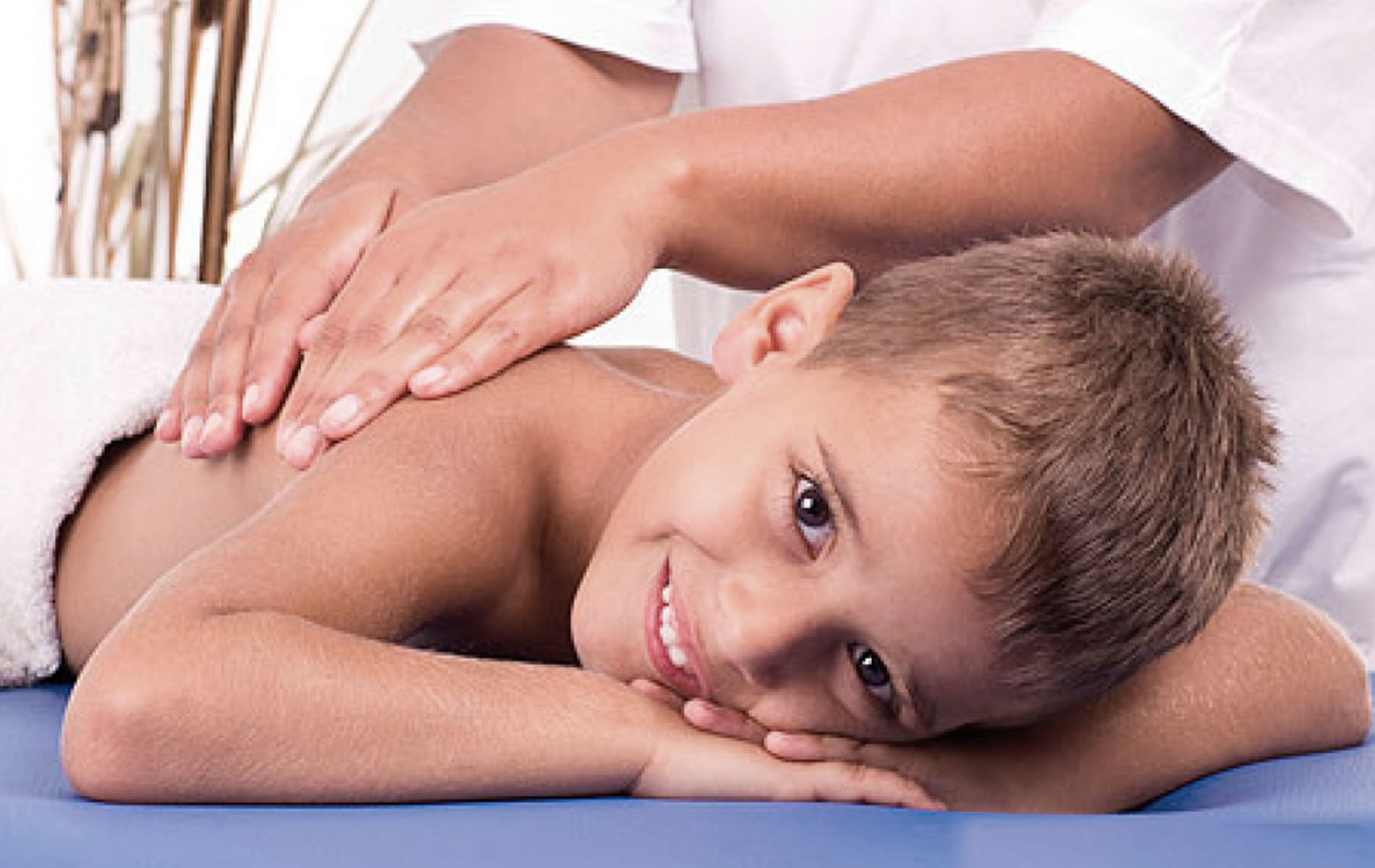
Paediatric massage is intended primarily for infants and young children through to around 12 years old. Age alone does not determine suitability: the child’s current health and individual needs also matter.
Tell the practitioner about your child’s symptoms, medical conditions, medicines and any areas of sensitive or damaged skin. Ask what techniques are proposed and how the session will be adapted.
Talk with our teamSafety and important information
When medical care comes first
Do not delay medical assessment to try massage if your child is unwell.
Symptoms needing medical attention
Seek prompt medical assessment for breathing difficulty, seizures, altered awareness, a marked decline in alertness, significant dehydration, persistent vomiting, severe abdominal pain, blood in the stool, serious injury or other concerning changes.
For an emergency in New Zealand, call 111. See KidsHealth guidance for an unwell child.
Areas that should not be massaged
Do not apply massage directly over areas with a severe acute skin infection, open wounds or burns.
Medical diagnosis and necessary treatment remain the priority. Discuss suitability with your child’s healthcare provider and the practitioner.
Your questions, answered
Before you book
Our team can discuss the service and help you understand the next step.
Does massage involve needles?
Massage is a hands-on massage approach. The techniques described here use the practitioner’s hands rather than acupuncture needles.
Is it the same as adult massage?
No. Paediatric massage generally uses gentler techniques, lighter stimulation and shorter treatment times, adjusted to the child.
Can it replace a visit to the doctor?
No. It is complementary care and cannot replace necessary diagnosis or treatment. Have concerning or persistent symptoms assessed by an appropriate healthcare professional.
How long is a session?
The approach and treatment time depend on the child’s age and individual circumstances. Contact the clinic to discuss the available appointment options.
