
Acupuncture in Auckland
Personalised care.
A step forward.Acupuncture guided
by your needs.
A personalised approach to pain management, with treatment guided by your symptoms, movement and goals.
Understanding acupuncture
What is acupuncture?
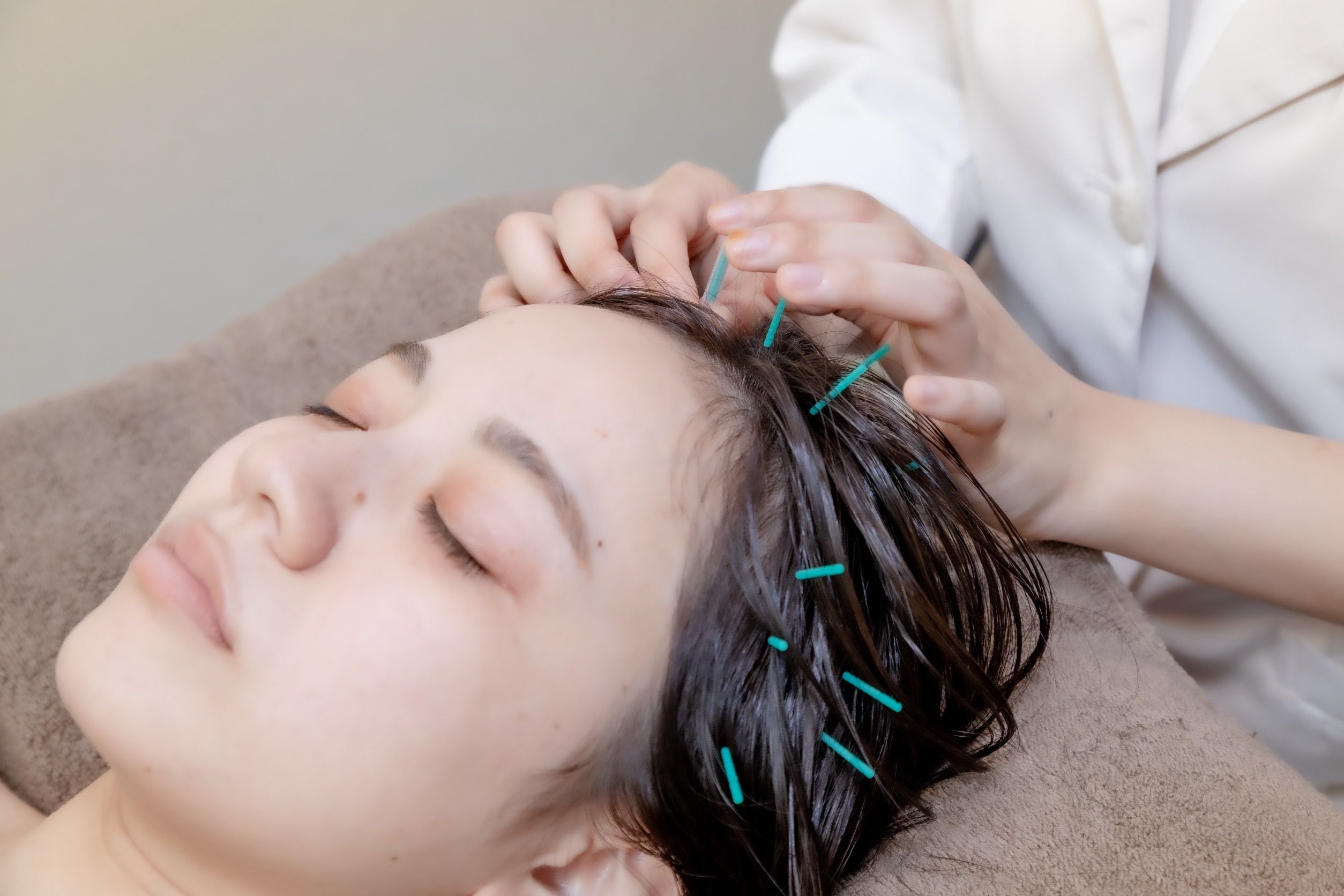
Acupuncture uses fine needles placed at selected points on the body.
It may influence the nervous system and how the body processes pain. Research suggests it may help with some pain conditions. Relief varies from person to person, and your practitioner will discuss whether it is suitable for you.
Acupuncture may form part of a broader approach to pain management and rehabilitation.
Care built around you
Your symptoms.
Your movement.
Your goals.
Your acupuncturist begins by understanding your medical history and what you hope to achieve from treatment.
Your practitioner will explain suitability, benefits and risks before treatment.
Your visit, step by step
Know what to expect.
From your initial assessment to reviewing your response, each stage is guided by your individual treatment plan.
Start with a conversation
Your acupuncturist assesses your symptoms, medical history and treatment goals.
A plan for your needs
We usually use scalp acupuncture, with points selected according to your symptoms. Other points on the body may also be included. Treatment aims to reduce pain, relax tight muscles, improve movement and support recovery.
Fine, single-use needles
Thin, sterile, single-use acupuncture needles are gently inserted into specific areas of the body.
Adjusted to your plan
Your acupuncturist may gently stimulate the needles by hand, depending on your treatment plan.
Guided movement & assessment
As part of our scalp acupuncture approach, your practitioner guides gentle movement when safe for you. This helps assess changes during the session and informs adjustments to your treatment plan.
Time for your treatment
Needles are usually retained for 20–30 minutes, depending on your plan. This is part of the appointment, rather than the total visit time.

07 / Needle removal & review
Your response guides
the next step.
Your practitioner carefully removes the needles and reviews how you responded to treatment.
You’ll discuss any changes in pain or mobility and whether further treatment is appropriate for your needs and goals.
Talk to our team: 09 250 1999Your questions, answered
A clearer picture
of your care.
Practical information about your acupuncture appointment.
View current pricing →Is acupuncture suitable for me?
Acupuncture can be suitable for many people and is used for a range of health concerns, not just pain. Evidence and expected benefits vary by condition. Your practitioner will assess your symptoms, medical history and goals to determine whether it is appropriate for you.
How long are the needles left in place?
Needles are usually retained for 20–30 minutes, depending on your treatment plan. This is only part of the appointment, rather than the total visit time.
Will I move during treatment?
Yes. Guided movement is part of our scalp acupuncture approach when it is safe for you. Some people notice changes during the session. Your acupuncturist will guide you through gentle movements to assess your response and adjust the treatment plan. The timing and degree of improvement vary from person to person.
Will I need further appointments?
Your response to acupuncture is individual. Your practitioner will review your response and discuss further treatment if needed.
Paediatric massage
Gentle care for children
Learn about traditional Chinese massage adapted to your child’s age and needs, what to expect and important safety information.
Explore paediatric massage →